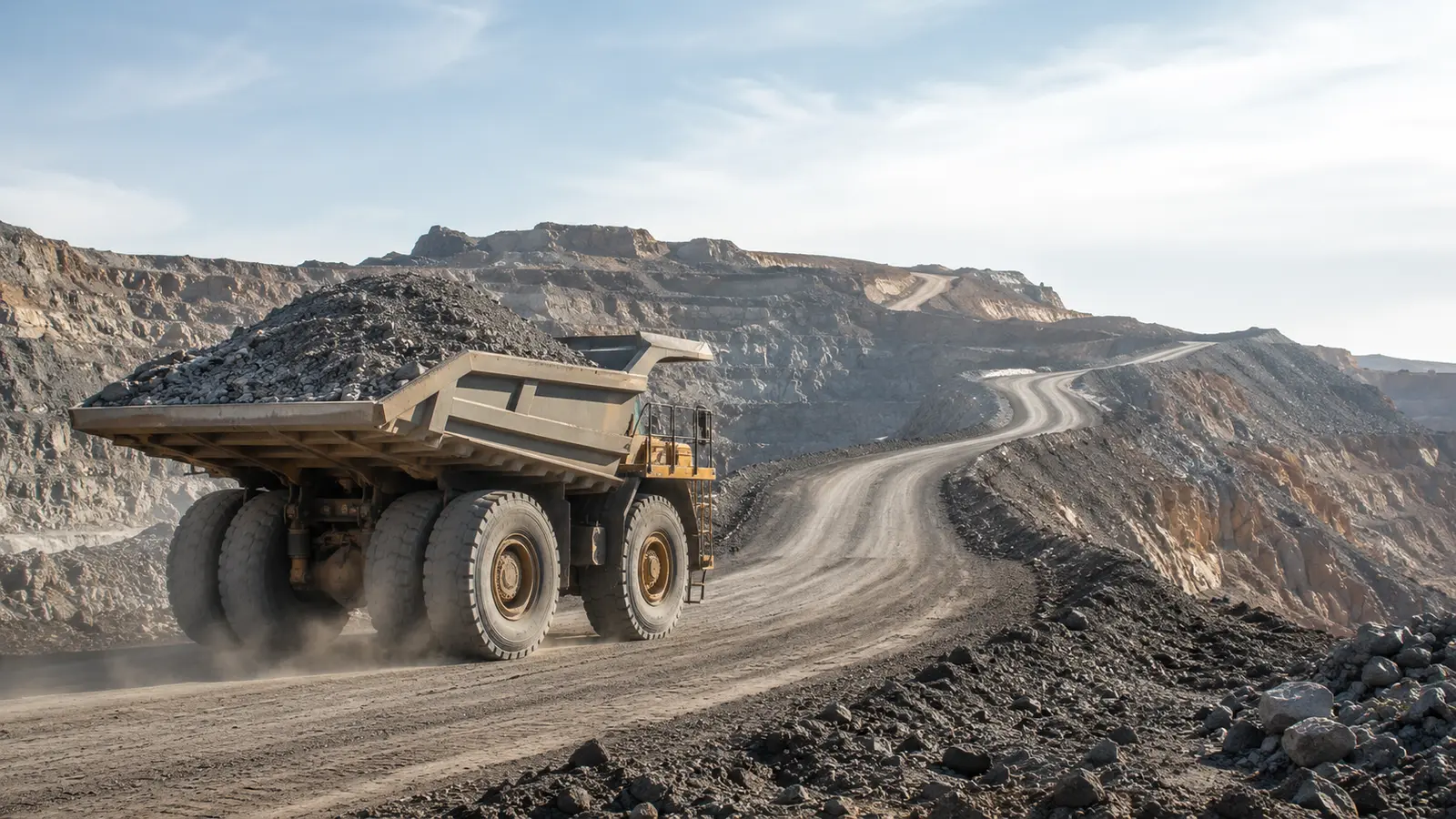
Buyers should not select a dump truck by maximum horsepower alone. A suitable engine configuration must be evaluated together with loaded mass, road grade, haul distance, start frequency, road surface, altitude, ambient temperature, transmission, axle ratio and tyre size. These inputs determine how engine output is converted into usable wheel force, how the truck behaves during repeated starts or sustained climbing, and whether the cooling and fuel systems suit the operating cycle. A higher-horsepower engine does not automatically create a better dump truck for every haul route. A useful RFQ therefore describes the route and duty before requesting an engine recommendation, then asks the supplier to return the exact engine, transmission, axle, tyre and cooling configuration with any assumptions or deviations clearly identified.
Why Is Horsepower Alone Not Enough to Select a Dump Truck Engine?
Horsepower is one input to vehicle performance, not a complete selection result. The engine produces torque and power across an operating-speed range. The transmission and final drive multiply and transmit that torque. The tyre rolling radius then affects the force available at the road surface, while loaded vehicle mass, grade, rolling resistance and target speed determine the force the truck actually needs.
The practical chain is: engine output → drivetrain → wheel force → actual haul performance. Breaking that chain at the engine rating can produce a misleading comparison. A truck with a larger headline output may still be poorly matched if its gearing, axle ratio or tyre size does not support the required starts and grades. A lower-output configuration may perform acceptably on another route because its drivetrain and operating speed are better aligned with that duty.
Torque delivery also matters. Buyers need to know how the proposed engine works with the selected transmission rather than treating peak output as continuously available at every vehicle speed. The correct question is not simply “How much horsepower?” but “How does this powertrain deliver the wheel force and sustained performance required by the loaded route?” Buyers comparing available vehicle families can begin with the dump truck product category, then narrow the inquiry using route and duty data.
Start With the Loaded Haul Duty
Engine selection should begin with a written operating profile. State the empty vehicle mass and actual payload, or provide the expected loaded operating mass if that is the controlled project value. Add the material hauled, trips per day, one-way distance, maximum grade, length of sustained grades, road surface, number of loaded starts, average travel speed, ambient temperature and altitude.
These inputs separate duties that look similar on a simple tonnage line. A short mine route with frequent loaded starts, uneven ground and repeated climbs places a different demand on the drivetrain from a longer paved route with fewer stops and stable cruising. Even if both move the same nominal tonnage, the first case may emphasize low-speed operation, traction and heat rejection, while the second may emphasize operating range, cruise gearing, fuel capacity and cycle efficiency.
Do not submit only the steepest point on the route. A brief ramp and a long sustained climb with the same maximum grade do not create the same thermal or duty-cycle question. Likewise, “mine road” is not sufficient: indicate whether the surface is compacted, loose, muddy, rutted or seasonally variable, because rolling resistance and traction conditions affect the review.
Which Engine and Drivetrain Variables Should Buyers Compare?
| Decision Variable |
Buyer Input |
Why It Matters |
Supplier Evidence |
| Loaded mass |
Truck plus cargo operating mass |
Defines drivetrain duty |
Offered configuration and mass definition |
| Route grade |
Maximum and sustained grade |
Changes starting and climbing demand |
Route-based configuration review |
| Engine |
Required duty and fuel preference |
Defines available output and torque characteristics |
Exact model and engine data sheet |
| Transmission |
Starts, speed range and route pattern |
Changes startability and cruising behavior |
Transmission model and ratio information |
| Axle ratio |
Grade and target road speed |
Changes wheel-torque and speed trade-off |
Drive-axle specification and offered ratio |
| Tyres |
Surface, load and tyre requirement |
Changes effective gearing, load capability and traction |
Tyre size and specification |
| Cooling |
Temperature, altitude and sustained duty |
Affects continuous heavy operation |
Cooling configuration and project review |
| Fuel |
Route length, shifts and refuelling plan |
Changes usable operating range |
Fuel type and tank specification |
The table is a comparison framework, not a substitute for an engineering review. Every supplier should respond against the same buyer inputs. If one quotation assumes a lower payload, smoother road or shorter sustained climb, its engine line cannot be compared directly with a quotation based on the actual route.
How Do Grade and Start Frequency Change the Powertrain Decision?
Frequent loaded starts on a grade make low-speed torque delivery, transmission gearing, axle ratio, traction and loaded mass especially important. The powertrain must move the truck from rest under the stated conditions, not merely reach a target speed after it is already moving. Surface condition also matters because theoretical wheel force is useful only when the tyres can transmit it without unacceptable slip.
Long, stable transport changes the emphasis. Cruising speed, gear selection, fuel consumption, engine operating range and the duration of sustained load become more prominent. A specification optimized only for low-speed starting may not provide the same cruising behavior as a configuration intended for longer, faster sections.
A lower-speed final-drive ratio may improve starting or grade capability, but it can change cruising speed and fuel behavior. This is why an axle ratio should never be approved as an isolated “stronger” option. The supplier should state what route assumption the offered ratio supports and what operational trade-off it introduces.
Why Must Engine, Transmission and Axle Ratio Be Evaluated as One System?
Suppose Supplier A offers a higher-output engine with one transmission and axle ratio, while Supplier B offers slightly lower engine output with different gearing. Ranking the quotations by horsepower ignores the mechanism that transfers engine output to the tyres. It also conceals differences in available gears, effective gearing, target speed and engine operating range.
Require each supplier to identify the exact engine model and rated output, transmission model, gear count and available ratio information, drive axle, axle ratio and tyre size. Record these items on one comparison sheet. If any value is optional or subject to final engineering review, label it accordingly instead of allowing a generic range to flow into the purchase order.
The comparison result should answer whether the complete drivetrain fits the real route. Horsepower remains useful, but only inside that system-level review. This also makes later technical clarification easier: the buyer can identify whether a proposed alternative changes the engine alone or changes the full speed-versus-wheel-torque balance.
How Do Altitude and Temperature Affect Engine Selection?
High-altitude mines, hot climates, long climbs and prolonged low-speed heavy operation can change the working conditions for both the engine and cooling system. The effect cannot be represented responsibly by one universal correction factor because the result depends on the exact engine, calibration, cooling package and duty.
State site altitude, normal and extreme ambient temperature, expected sustained-load duration and whether dust or restricted airflow is a concern. The supplier should confirm whether the proposed engine and cooling configuration requires derating or project-specific review under the stated altitude and temperature. If the engine manufacturer imposes operating restrictions or a different cooling package is required, those conditions should appear in the technical offer before approval.
What Is the Difference Between Peak Performance and Duty-Cycle Performance?
A maximum-output value describes a peak specification. A haul operation is a sequence: loading queue, loaded start, acceleration, climbing, level travel, unloading, downhill or empty return, idling and refuelling. A truck expected to work eight to ten hours per day must repeat that sequence while maintaining acceptable temperatures, cycle availability and operating range.
Continuous climbing and repeated starts can create a different demand from a single demonstration run. Downhill return and waiting time may provide some cooling recovery, while a dense cycle may provide less. Refuelling intervals and tank capacity can also affect practical output even when the engine can complete every individual climb.
Peak specification is not complete duty-cycle suitability. Buyers should provide operating hours, cycle stages and expected interruptions so the supplier can evaluate the configuration against the whole shift rather than one maximum event.
How Should Buyers Review a Mining Dump Truck Engine Offer?
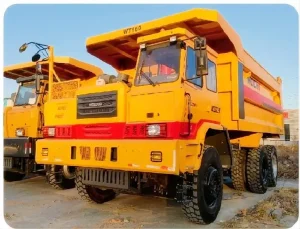
A real product family can anchor the discussion. The WEICHAI mining wide-body dump truck page currently identifies WP-series engine options, a 400–600 hp range, multi-speed mechanical transmission options and engineering-tyre size ranges. These published ranges help buyers identify the type of vehicle available for project review.
However, a webpage range does not mean that one truck simultaneously includes every engine, horsepower, transmission and tyre option. Nor does it establish that every combination is compatible. The product page provides a real configuration family for evaluation, but the buyer must still confirm the exact engine, transmission, axle, tyre and operating configuration quoted for the project.
Ask the supplier to issue one configuration schedule tied to the buyer’s loaded mass and route. The schedule should identify the selected values, distinguish standard equipment from options, and state any buyer inputs still missing. If several choices are offered, each option should explain the duty it is intended to address.
What Common Engine-Selection Mistakes Create Procurement Risk?
- Only comparing horsepower. This ignores the transmission, axle ratio, tyres and torque delivery that determine usable wheel force.
- Ignoring loaded mass. An engine recommendation based on an empty truck or nominal body volume does not define the actual drivetrain duty.
- Ignoring sustained grade. Giving only the maximum gradient hides how long the truck must climb under load.
- Ignoring altitude and temperature. A configuration reviewed for a temperate low-altitude site may require further review for a hot or high-altitude mine.
- Comparing quotations with different drivetrains. Price comparison is unreliable when engine, transmission, axle ratio or tyre assumptions are not aligned.
These risks share one cause: the commercial comparison begins before the technical basis is normalized. A short route sheet attached to every RFQ makes deviations visible and gives purchasing, engineering and suppliers the same reference.
What Evidence Should Buyers Request Before Approval?
Before approval, request the exact engine model and data sheet, transmission model, drive-axle specification, axle ratio, tyre size, cooling configuration, fuel-tank specification, vehicle-mass definition and route assumptions. Also require a list of optional configurations and a deviation schedule.
Evidence must describe the truck actually quoted. A brochure covering several models is useful for discovery, but it does not replace an order-specific configuration sheet. Confirm which values are fixed, which remain subject to project review and which require buyer approval.
If the supplier gives multiple choices, require a practical explanation: “Option A is proposed for this route assumption; Option B changes this drivetrain element and is intended to address this other condition.” That response is more useful than two engine numbers without a selection basis. It also prevents an unreviewed option from becoming the default during order processing.
What Should a Dump Truck Engine RFQ Include?
A decision-ready RFQ should include:
- Material being hauled
- Loaded operating mass
- One-way haul distance
- Maximum road grade
- Sustained grade length
- Road surface and seasonal condition
- Loaded starting frequency
- Target travel speed
- Site altitude
- Normal and extreme ambient temperature
- Operating hours and trips per shift
- Preferred fuel and refuelling plan
- Any mandatory engine requirement
- Any mandatory transmission requirement
- Axle and axle-ratio requirement
- Tyre size, type or site standard
- Service and spare-parts conditions
- Destination, quantity and delivery requirement
Send these inputs through the dump truck project request form and ask the supplier to return every line as Confirmed / Deviation / Alternative / Buyer Input Required. This turns a general engine inquiry into a traceable route-based configuration review and makes competing quotations easier to compare.
Frequently Asked Questions
Is higher horsepower always better for a dump truck?
No. Suitability depends on the complete powertrain and duty, including loaded mass, torque delivery, transmission, axle ratio, tyres, grade, speed, cooling conditions and cycle pattern. Higher output can be useful for a defined requirement, but it is not automatically the best configuration for every route.
How does road grade affect dump truck engine selection?
Grade changes the wheel force required for starting and climbing. Buyers should provide both the maximum grade and the length of sustained grades so the supplier can review the engine, gearing, axle ratio, traction and cooling requirements together.
Why does axle ratio matter when comparing dump trucks?
The axle ratio affects the trade-off between wheel torque and vehicle speed. It must be evaluated with the transmission, tyre size, loaded mass and route. An axle ratio that supports one starting or climbing duty may change cruising behavior on another route.
What information should buyers send before asking for an engine recommendation?
At minimum, send loaded mass, hauled material, distance, maximum and sustained grade, road surface, start frequency, target speed, operating hours, altitude and temperature. Add any mandatory transmission, axle, tyre, fuel, service or spare-parts requirement.