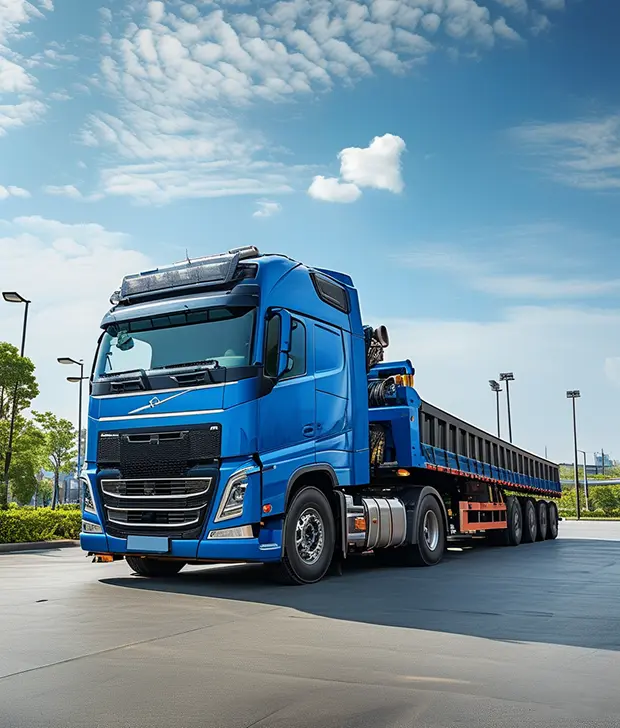
The logistics sector is experiencing explosive growth, yet the heavy-duty trucking industry—its backbone—is grappling with unprecedented structural challenges. High operational costs, stringent environmental mandates, and regulatory complexities are converging into a "triple mountain" weighing heavily on practitioners. This crisis is visible in the market: official statistics reveal a sharp 20% decline in large truck drivers over the past three years, signaling a rapidly deteriorating operating environment.
Truck owners and small-to-medium logistics firms are caught in a brutal profitability paradox:
• The Overload Dilemma: Strict enforcement of overload management regulations places owners in a bind. Operating at regulated capacity often makes it difficult to cover fixed costs, while non-compliance carries the risk of severe financial penalties, creating an unsustainable risk-reward profile.
• Platform Fee Compression: The dominance of digital freight platforms, while offering efficiency, often comes with high commission fees. This, coupled with intense freight market competition, compresses profit margins to dangerous lows. The reality is grim: a 30-ton truck running a long-distance route can yield a net profit of less than 500 yuan (approximately $70 USD) after accounting for all operational expenses.
Environmental protection, while essential, represents a major financial hurdle for fleet owners:
• The Cost of Compliance: The implementation of stringent emission standards (such as the National VI standard) has necessitated immediate vehicle upgrades. The price of a compliant heavy-duty truck has surged by nearly 100,000 yuan ($14,000+ USD).
• Increased TCO (Total Cost of Ownership): Beyond the initial purchase price, these advanced engines require more complex maintenance, and the premature forced elimination of older, reliable vehicles represents a significant loss of capital for smaller enterprises.
The revitalization of the heavy-duty trucking industry requires a synchronized effort from government, industry bodies, and enterprises. Breaking the current deadlock is not a single-point solution, but a three-pronged collaborative strategy:
The public sector must focus on creating a supportive regulatory landscape:
Industry associations must drive standardization to improve operational transparency and efficiency:
Fleet owners and manufacturers must pivot towards innovation to secure future competitiveness:
The challenges facing the big truck industry are profound, touching on finance, regulation, and technology. Yet, within this crisis lies the opportunity for fundamental restructuring. By forming a collective force—where policy supports innovation, industry enforces efficiency, and enterprises embrace technological change—the logistics sector can transition from relying on sheer volume to operating on smart, sustainable, and profitable efficiency.