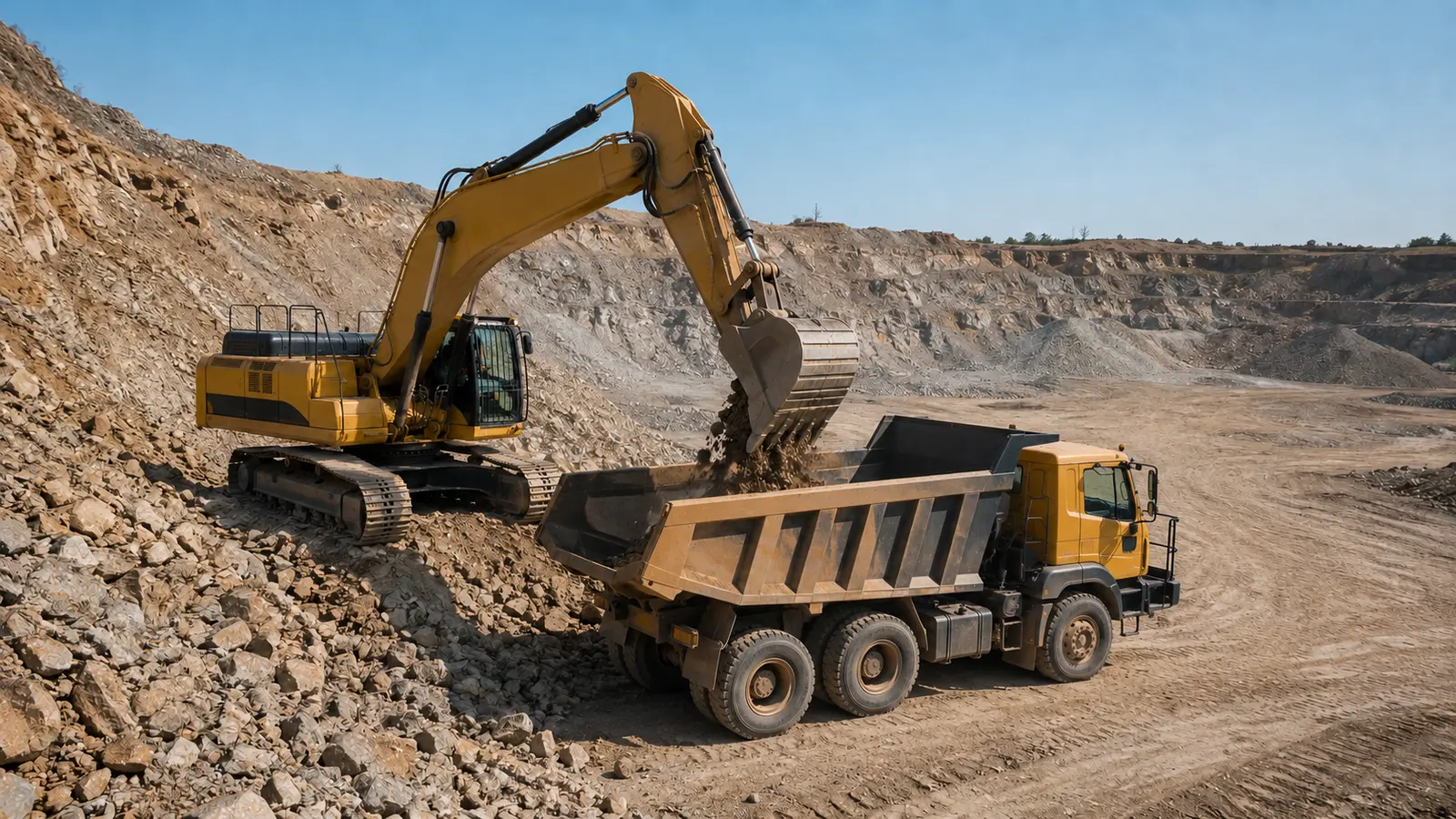
A giant dump truck can cost anywhere from several million to more than US$10 million, depending on payload capacity, configuration, technology, delivery location, and service requirements. For the largest ultra-class mining haul trucks, a realistic purchase budget often starts around US$6 million and can rise substantially when transport, assembly, spare parts, safety systems, and long-term maintenance support are included.
These machines are not ordinary construction dump trucks. They are purpose-built mining assets designed to move enormous volumes of ore, overburden, and rock in large open-pit operations. Their price reflects not only size, but also the engineering, reliability, and site-specific support needed to keep production moving.
What Is Considered a Giant Dump Truck?
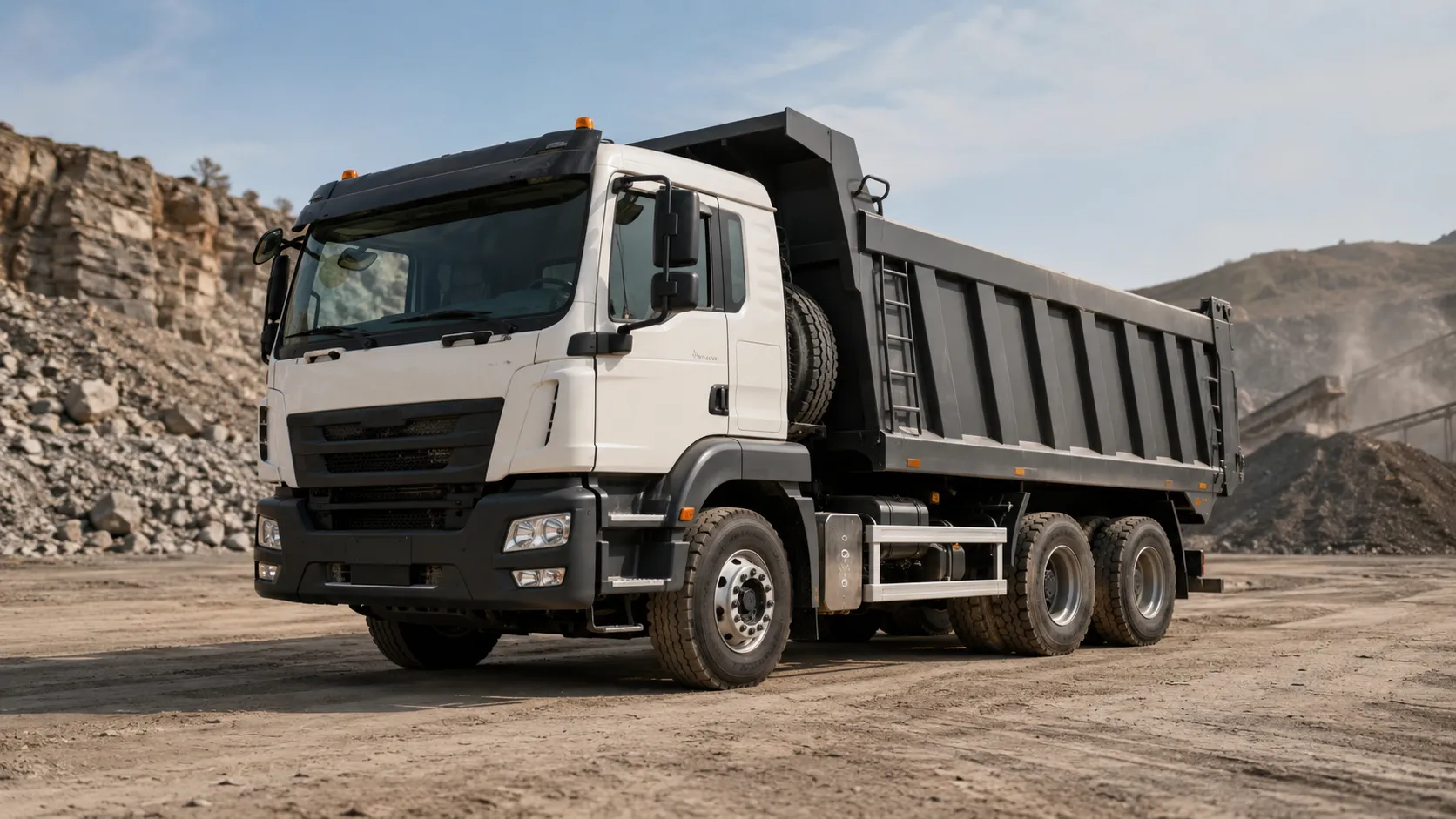
The term giant dump truck usually refers to a rigid-frame mining haul truck with a payload capacity of hundreds of tonnes. These machines are used in large mines, quarries, and heavy earthmoving projects where productivity depends on moving material efficiently over dedicated haul roads.
A giant mining truck may feature:
- Payload capacities from roughly 180 tonnes to more than 400 tonnes
- High-horsepower diesel or diesel-electric drive systems
- Heavy-duty frames, suspension, tires, braking systems, and dump bodies
- Advanced safety technologies, including collision-awareness and fleet-monitoring systems
- Custom configurations for climate, altitude, material density, and mine-road conditions
Because each site has different operational demands, two trucks with similar payload ratings can have very different final prices.
Typical Giant Dump Truck Price Ranges
The following ranges are practical budget estimates rather than fixed public list prices. Most major mining trucks are sold through quotation-based contracts.
| Truck Class | Typical Payload Capacity | Approximate New Price Range |
| Large mining haul truck | 90–150 tonnes | US$1 million–US$3 million |
| Heavy mining haul truck | 180–240 tonnes | US$2.5 million–US$5 million |
| Ultra-class haul truck | 290–360 tonnes | US$4 million–US$8 million |
| Giant dump truck | 400 tonnes and above | US$6 million–US$10 million+ |
The world’s largest giant dump truck models can carry about 450 tonnes of material in a single load. However, buying the truck itself is only part of the investment. Mine operators must also prepare roads, loading equipment, maintenance capacity, trained operators, fuel supply, and spare-parts support.
Why Is a Giant Dump Truck So Expensive?
A giant dump truck is expensive because it combines heavy equipment, advanced engineering, and high-output mining capability in one machine.
1. Massive payload capacity
A truck that carries hundreds of tonnes per cycle can reduce the number of trips required to move material. Higher payload capacity can improve production efficiency, but it also demands stronger structural components, larger tires, more powerful engines, and specialized braking systems.
2. Powertrain and drivetrain technology
Many giant dump truck models use sophisticated diesel-electric or mechanical-drive systems. These systems must provide reliable traction and braking under extreme loads, steep gradients, high temperatures, dust, and long operating hours.
3. Site-specific configuration
Mining conditions vary significantly. A truck operating in a cold region may need heating and cold-weather equipment, while a truck in a hot and dusty mine may need upgraded cooling, filtration, and fire-suppression systems. These options can add significantly to the quoted price.
4. Safety and fleet-management systems
Large mining operations often require safety technologies such as proximity detection, fatigue monitoring, onboard cameras, payload monitoring, and fleet-management integration. These systems help reduce operational risk, but they also increase the total acquisition cost.
5. Logistics and assembly
A giant dump truck is too large to be delivered as one complete unit in many cases. It may need to be transported in sections, assembled at the mine site, commissioned by specialists, and tested before entering service. Freight, import duties, site assembly, and commissioning can add a major amount to the project budget.
The Purchase Price Is Not the Total Cost
When evaluating a giant dump truck, mining companies should focus on total cost of ownership rather than the initial purchase price alone.
Key cost areas include:
- Fuel or energy consumption
- Tire replacement
- Scheduled maintenance
- Unplanned repairs and downtime
- Spare-parts inventory
- Operator and technician training
- Site-road maintenance
- Insurance and compliance requirements
- Resale value or fleet replacement planning
A lower-priced truck is not always the better investment. If it has lower availability, poor parts support, higher fuel use, or frequent downtime, it can become more expensive over the life of the mine.
Should You Buy a New or Used Giant Dump Truck?
A new giant dump truck offers the latest technology, warranty coverage, and the ability to match the machine to the mine’s operating conditions. It is usually the preferred choice for long-life, high-production projects.
A used truck can lower the initial investment, but buyers should carefully inspect:
- Operating hours and maintenance records
- Frame condition and structural repairs
- Engine, transmission, and electrical-system condition
- Tire condition and replacement history
- Availability of spare parts
- Compatibility with existing loading equipment
- Local service and technical support
For a used giant dump truck, a low purchase price should never replace a complete technical inspection and lifecycle cost analysis.
How to Choose the Right Giant Dump Truck
The right truck is not necessarily the largest one. Mine operators should match truck capacity with the excavator or loader, haul-road design, material density, loading cycle, travel distance, fuel strategy, and production target.
Before requesting a quote, prepare the following information:
- Required payload per cycle
- Material type and density
- Average haul distance and road gradient
- Expected operating hours per day
- Mine climate and altitude
- Loading-equipment model and bucket size
- Required safety systems
- Local service and spare-parts requirements
This information helps suppliers recommend a giant dump truck that supports productivity without creating unnecessary operating costs.
Conclusion
So, how much is a giant dump truck? For the largest mining haul trucks, buyers should generally expect an investment of US$6 million to more than US$10 million per unit, before considering the wider costs of logistics, commissioning, maintenance, tires, fuel, and site infrastructure.
The best purchasing decision comes from evaluating the complete operation—not simply choosing the lowest truck price. Payload, uptime, fuel efficiency, parts availability, safety features, and service support all affect the real value of a giant dump truck over its working life.
For help sourcing heavy equipment or discussing your project requirements, contact Juxiang Trade.
FAQ
How much does the biggest giant dump truck cost?
The biggest giant dump truck models can cost approximately US$6 million to more than US$10 million, depending on configuration, delivery location, service support, and optional systems.
Why are giant dump trucks more expensive than normal dump trucks?
Giant dump trucks are designed for mining-scale payloads, extreme operating conditions, specialized safety requirements, and continuous high-output work. Their size, engineering, components, and support requirements make them much more expensive than standard construction dump trucks.
Can a giant dump truck be used on public roads?
No. Most giant mining haul trucks are designed for private mine sites and dedicated haul roads. Their dimensions, weight, and operating requirements make them unsuitable for ordinary public-road use.
Is a used giant dump truck worth buying?
It can be, provided that the machine has a verified maintenance history, acceptable operating hours, available parts support, and a full technical inspection. Buyers should compare total ownership costs, not only the used purchase price.