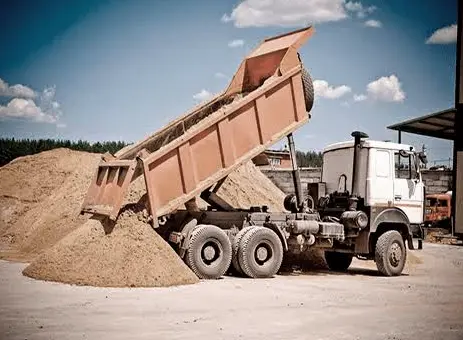
On any busy site where bulk materials are moved — a quarry, a grain terminal, a recycling plant, or a port — there is one operation that happens again and again: unloading a truckload of loose material. Doing it quickly and safely is exactly what a truck tipper is designed for.
In this guide, you’ll learn what a truck tipper is, how it works, the main types available, and what to consider when choosing one for your operation.
A truck tipper (also called a tipper or truck unloader) is a machine that tips, tilts, or raises a loaded truck so its contents can be discharged by gravity into a receiving pit, hopper, or stockpile. Instead of relying on a driver to back up and dump, a truck tipper lets one controlled unit handle the whole unloading job — quickly, safely, and with a full, clean discharge.
Truck tippers are widely used wherever bulk materials arrive by road, including mining, agriculture, construction, cement, and waste processing industries.
How Does a Truck Tipper Work?
A truck tipper works by safely raising one end of a loaded truck until the material inside slides out under gravity.
The main components are:
| Component | Role |
| Platform / deck | The surface the truck drives onto and is secured to during tipping. |
| Hydraulic lifting system | Raises the platform to the required tipping angle. |
| Safety restraints | Wheel chocks, ramps, and locking systems that hold the truck in place. |
| Discharge area | A pit, hopper, or slot where the material falls for collection or processing. |
The truck drives onto the platform, is secured, and the hydraulic system slowly raises the deck to a safe tipping angle — typically around 30° to 60°. The material flows out cleanly, and the platform is lowered so the truck can leave. The whole cycle is fast, and it removes the need for the truck to tip its own body, which saves time and reduces wear on the vehicle.
Main Types of Truck Tippers
Different sites need different designs. The three most common types are:
| Type | How it works | Typical use |
| Ramp-style (drive-through) tipper | Truck drives onto a ramp and the platform tilts up | Quarries, ports, high-volume bulk handling |
| Pit-style (in-ground) tipper | Truck parks over an in-ground pit; platform tilts to discharge into the pit | Cement plants, grain and fertilizer terminals |
| Mobile / portable tipper | A self-contained unit that can be moved between sites | Seasonal or multi-site operations |
Ramp-style tippers are popular for high-throughput sites because trucks can drive on and off without reversing. Pit-style tippers feed directly into underground hoppers, keeping the discharge contained. Mobile tippers offer flexibility for operations that need to move equipment between locations.
Why Businesses Use Truck Tippers
Truck tippers deliver clear benefits compared with manual unloading:
- Faster unloading — a full truckload can be discharged in minutes, keeping trucks moving.
- Cleaner discharge — gravity empties the trailer more fully than tipping the body itself.
- Improved safety — trucks stay level and secured during unloading, reducing tipping risk.
- Less wear on vehicles — the truck does not tilt its own body, reducing stress on the chassis.
- Lower labor costs — one controlled operation replaces manual shoveling or extended turnaround.
For any site handling large volumes of bulk material, the throughput gain from truck tippers usually pays for itself quickly.
What to Consider Before Buying a Truck Tipper
Choosing the right tipper depends on your specific operation. Ask yourself these questions:
- What material will you unload? Grain, ore, aggregate, and waste all behave differently and may need different angles or liners.
- What is your truck fleet? Platform length, width, and capacity must match the trucks you use.
- What is your throughput? High-volume sites need faster cycle times and robust construction.
- Where will it be installed? Consider available space, ground conditions, and whether a pit or ramp design fits your site.
- What safety features do you need? Wheel chocks, restraints, and operator controls should meet local safety requirements.
A well-matched tipper improves efficiency and safety, while a poor match creates bottlenecks and maintenance headaches.
Safety and Maintenance Tips
To keep a truck tipper running safely and reliably:
- Follow the manufacturer’s load limits and never exceed the rated capacity.
- Inspect hydraulic hoses, seals, and lifting components regularly.
- Keep the platform clean and free of material build-up.
- Ensure safety restraints and interlocks are working before each cycle.
- Train operators on proper loading, positioning, and emergency stops.
- Schedule periodic servicing for the hydraulic system and safety devices.
Frequently Asked Questions
What is the difference between a truck tipper and a tipping truck? A tipping truck (dump truck) tilts its own body to unload. A truck tipper is a separate machine that tilts a loaded truck on a platform, so the truck body stays level and the material is discharged by gravity.
What angle does a truck tipper tip to? Typical tipping angles range from about 30° to 60°, depending on the material and design. The right angle ensures a clean, complete discharge.
Can a truck tipper handle different truck sizes? Many tippers are designed to handle a range of truck lengths and weights. You should match the platform size and capacity to the trucks in your fleet.
Are truck tippers safe to operate? Yes, when used correctly with proper safety restraints, trained operators, and regular maintenance. Safety systems such as wheel chocks and interlocks are standard features.
Choose the Right Truck Tipper for Your Operation
Selecting the correct truck tipper means matching the design, capacity, and safety features to your material, site, and throughput. Working with a supplier who understands bulk handling helps you avoid bottlenecks and get the most from your investment.
At
Wentu Trade, we supply
truck tippers and bulk handling equipment for industrial and agricultural operations, and we help customers find a solution suited to their site and needs. To discuss your requirements and get a recommendation, contact us via our website:
https://www.wentutrade.com/contact-us/.